


Natural vs Artificial Onion Powder: What’s the Real Difference?
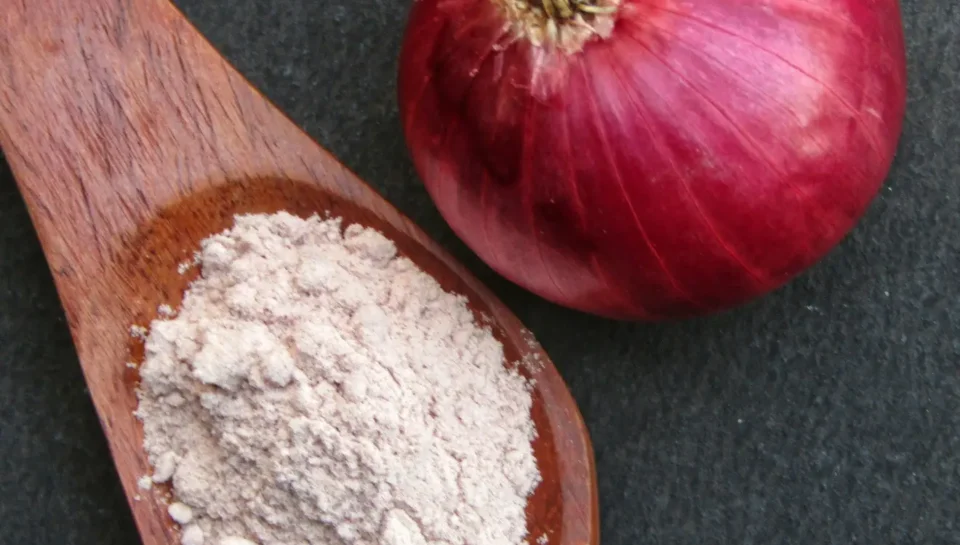
Onion powder is one of those quiet kitchen heroes. It blends into gravies, snacks, marinades, spice mixes, ready-to-eat meals, and even packaged seasonings without demanding attention. Yet behind that fine, pale powder lies an important distinction many consumers overlook: natural onion powder vs artificial onion powder.
If you are a conscious buyer, food manufacturer, retailer, or even someone who simply reads ingredient labels carefully, understanding this difference matters. The quality, sourcing, nutritional value, safety standards, and flavor integrity can vary significantly.
In this in-depth guide, we will explore:
What natural onion powder is
What artificial onion powder actually means
Ingredient sourcing and manufacturing differences
Health, nutrition, and safety considerations
Labeling practices and regulatory standards
Flavor, texture, and culinary performance
How to identify high-quality products
Why the distinction matters for long-term health and food quality
Let’s break it down carefully and practically.
In this in-depth guide, we will explore:
What natural onion powder is
What artificial onion powder actually means
Ingredient sourcing and manufacturing differences
Health, nutrition, and safety considerations
Labeling practices and regulatory standards
Flavor, texture, and culinary performance
How to identify high-quality products
Why the distinction matters for long-term health and food quality
Let’s break it down carefully and practically.
What Is Natural Onion Powder?
Natural onion powder is made from real onions that are:
Cleaned
Sliced
Dehydrated
Finely ground
Nothing synthetic is added to replicate flavor. The taste, aroma, and color come entirely from the original vegetable.
How It’s Made
The most common methods used include:
Air drying
Spray drying
Freeze drying
Low-temperature dehydration
After drying, the onions are milled into powder under hygienic, food-grade conditions. The final product contains natural onion compounds like:
Sulfur compounds (responsible for aroma)
Natural sugars
Dietary fiber (in minimal amounts)
Trace minerals
The result is a clean-label ingredient: simply “Onion Powder” on the label.
What Is Artificial Onion Powder?
Here’s where confusion begins.
The term artificial onion powder is not always straightforward. In many cases, it refers to products that:
Contain artificial onion flavoring instead of real onion solids
Use synthetic flavor enhancers to mimic onion taste
Are blended with fillers or anti-caking agents
Include artificial preservatives
Instead of being derived purely from dehydrated onions, artificial onion powder may contain:
Artificial flavor compounds
Monosodium glutamate (MSG)
Maltodextrin
Starch fillers
Artificial color stabilizers
In some lower-cost products, the “onion flavor” may be chemically engineered to replicate taste without using substantial real onion content.
Key Differences at a Glance
| Factor | Natural Onion Powder | Artificial Onion Powder |
|---|---|---|
| Source | Real dehydrated onions | Synthetic flavor blends or diluted onion solids |
| Ingredients | Usually 100% onion | May include additives & artificial flavors |
| Nutritional Value | Retains some natural compounds | Minimal nutritional contribution |
| Label Transparency | Simple ingredient list | Often complex ingredient list |
| Flavor | Balanced, layered | Sharp, sometimes one-dimensional |
| Cost | Slightly higher | Often cheaper |
Ingredient Transparency: Why It Matters
When you read labels carefully, you may see:
“Onion Powder”
“Onion Flavor”
“Artificial Onion Flavor”
“Onion Powder (with additives)”
These are not the same.
Natural onion powder will typically list only one ingredient: onions.
Artificial onion powder often lists multiple components. Consumers looking for clean-label foods should be cautious about long ingredient lists, especially those including:
Artificial flavoring
Added flavor enhancers
Chemical preservatives
Transparency builds trust — and it is a major part of modern food safety standards.
Nutritional Considerations
Let’s be realistic: onion powder is used in small amounts. It is not a primary nutrient source.
However, natural onion powder still contains trace levels of:
Antioxidants
Quercetin (a natural flavonoid)
Natural sulfur compounds
Artificial onion powder, especially if largely synthetic, does not offer these natural plant compounds.
While neither product is consumed in large quantities, choosing natural forms supports a cleaner dietary pattern overall.
Flavor Profile Comparison
Natural Onion Powder
Warm
Slightly sweet
Earthy
Balanced aroma
Deep savory notes
It integrates smoothly into dishes and enhances overall flavor complexity.
Artificial Onion Powder
Intense initial hit
Sometimes sharp or metallic
Less depth
May leave a lingering aftertaste
In processed snacks, artificial onion powder can deliver strong impact at low cost, but in home cooking or premium food products, the difference becomes noticeable.
Health & Safety Aspects
Artificial ingredients are approved within regulated limits. However, consumers increasingly prefer minimal processing and fewer synthetic additives.
Concerns that often arise around artificial onion powder include:
Sensitivity to MSG or flavor enhancers
Reactions to artificial preservatives
Long-term exposure to synthetic additives
While approved additives are considered safe within limits, many nutrition experts advocate reducing unnecessary artificial inputs in everyday diets.
Natural onion powder generally aligns better with clean-label and whole-food principles.
Regulatory Standards and Labeling
Food safety authorities worldwide require accurate ingredient disclosure. However, labeling can still confuse buyers.
In many countries:
“Onion powder” implies dehydrated onion
“Onion flavor” may include artificial components
“Artificially flavored” must be declared
Consumers should:
Read full ingredient lists
Look for single-ingredient products
Check manufacturing certifications
Verify FSSAI, FDA, or relevant authority compliance
Transparency and traceability are core pillars of food credibility.
Manufacturing Quality: A Critical Factor
Not all natural onion powder is equal.
High-quality producers focus on:
Hygienic dehydration processes
Controlled drying temperatures
Minimal nutrient degradation
Proper moisture control
Microbial testing
Contaminant screening
Lower-quality manufacturing can result in:
Loss of aroma
Clumping
Contamination
Poor shelf stability
The difference is not just natural vs artificial — it is also about process integrity.
Shelf Life and Stability
Natural onion powder typically lasts 12–24 months when:
Stored in airtight packaging
Kept away from moisture
Protected from sunlight
Artificial onion powder may sometimes have slightly longer shelf life due to added preservatives, but that advantage comes with synthetic inputs.
Proper packaging — moisture barriers, food-grade sealing, and oxygen control — is more important than preservatives in maintaining freshness.
Culinary Applications: Does It Make a Difference?
Yes, especially in:
Spice blends
Dry rubs
Snack coatings
Gravies and soups
Sauces
Ready-to-eat foods
Seasoning mixes
Natural onion powder performs better in recipes where:
Flavor layering matters
Clean labeling is important
Premium positioning is desired
Artificial onion powder may be used where:
Cost reduction is the main goal
Flavor impact is prioritized over purity
Products are highly processed
For restaurants, food brands, and health-conscious households, ingredient quality influences brand perception.
Consumer Trends: Why Natural Is Growing
Globally, food purchasing behavior is shifting toward:
Clean-label ingredients
Shorter ingredient lists
Transparency in sourcing
Reduced artificial additives
Plant-based and minimally processed foods
The rise of wellness awareness has pushed many buyers to avoid artificial onion powder and similar synthetic flavoring agents.
Market research consistently shows growing preference for natural, traceable ingredients.
How to Identify High-Quality Onion Powder
Whether buying retail or sourcing in bulk, look for:
Clear ingredient declaration
No artificial flavors listed
Low moisture content
Fine, uniform texture
Strong but natural aroma
Reputable manufacturer certification
Proper packaging standards
Avoid products that:
List multiple flavor chemicals
Use vague terms like “flavoring”
Do not mention source transparency
Is Artificial Onion Powder Always “Bad”?
Not necessarily.
It depends on context:
In large-scale snack production, cost efficiency matters.
In emergency food supply chains, long shelf life may be prioritized.
In certain processed foods, uniform taste consistency is required.
However, for everyday cooking and premium food brands, natural sourcing is often preferred.
The key is informed choice, not fear.
Impact on Food Brands and Manufacturers
If you are building a food brand, the choice between natural and artificial onion powder impacts:
Label credibility
Consumer trust
Export eligibility
Regulatory approvals
Pricing strategy
Market positioning
Clean-label positioning allows brands to:
Charge premium pricing
Build long-term customer loyalty
Reduce reputational risk
Align with health-conscious markets
Ingredient quality directly influences brand authority.
Environmental & Agricultural Considerations
Natural onion powder relies on agricultural supply chains. This means:
Crop quality matters
Farming practices influence residue levels
Seasonal variation impacts pricing
Artificial onion powder reduces dependency on crops but increases reliance on chemical manufacturing processes.
From a sustainability perspective, responsibly sourced agricultural products often align better with environmental goals when managed ethically.
The Psychological Factor: Clean Labels Build Trust
Consumers today research ingredients.
When they see:
“Onion Powder”
They understand it.
When they see:
“Artificial Flavor (Onion), Flavor Enhancer (E621), Anti-Caking Agent…”
It creates doubt.
Even if technically safe, complexity reduces confidence.
Trust is built through simplicity and clarity.
Expert Insight: Why Source Matters
Food technologists often emphasize:
Raw material quality determines final product quality.
Flavor authenticity cannot be perfectly replicated synthetically.
Long-term consumer trust outweighs short-term cost savings.
Choosing natural onion powder supports transparency and aligns with evolving global food standards.
Final Thoughts: Making the Right Choice
The difference between natural and artificial onion powder goes beyond taste.
It touches on:
Ingredient integrity
Health-conscious decisions
Transparency
Manufacturing standards
Long-term consumer trust
Artificial onion powder may serve specific industrial purposes, but natural onion powder aligns better with clean-label expectations, culinary authenticity, and modern food values.
For consumers, chefs, and food businesses looking for consistent quality and ingredient transparency, sourcing from trusted manufacturers makes all the difference. Brands that prioritize purity, proper processing, and honest labeling — such as pira food — help bridge the gap between traditional authenticity and modern food standards.
When it comes to ingredients that enter your kitchen daily, informed choices matter more than ever.
