




Ginger Powder for Gut Health: Natural Support For Digestion
Digestive discomfort has quietly become one of the most common lifestyle complaints today. From bloating and gas to irregular bowel movements and sluggish digestion, many people are searching for gentle, natural ways to support their gut. Among the most trusted traditional remedies is Ginger Powder for Gut Health—a simple, time-tested ingredient that has been used for centuries across cultures.
But what makes ginger powder so effective for digestion? Is there real science behind the claims? And how can you use it safely and effectively in your daily routine?
Let’s take a deep dive into the benefits, research, and practical uses of ginger powder for digestive wellness.
Understanding Gut Health and Why It Matters
Before exploring how ginger works, it helps to understand what “gut health” actually means.
Your digestive system isn’t just a food-processing machine. It’s a complex ecosystem involving:
The stomach and intestines
Digestive enzymes
Gut microbiota (beneficial bacteria)
The gut lining
The enteric nervous system (often called the “second brain”)
When your gut is functioning optimally, you experience:
Smooth digestion
Regular bowel movements
Minimal bloating
Strong nutrient absorption
Balanced immunity
When it’s not? You may feel discomfort, heaviness, acid reflux, or fatigue.
That’s where Ginger Powder for Gut Health can play a supportive role.
What Is Ginger Powder?
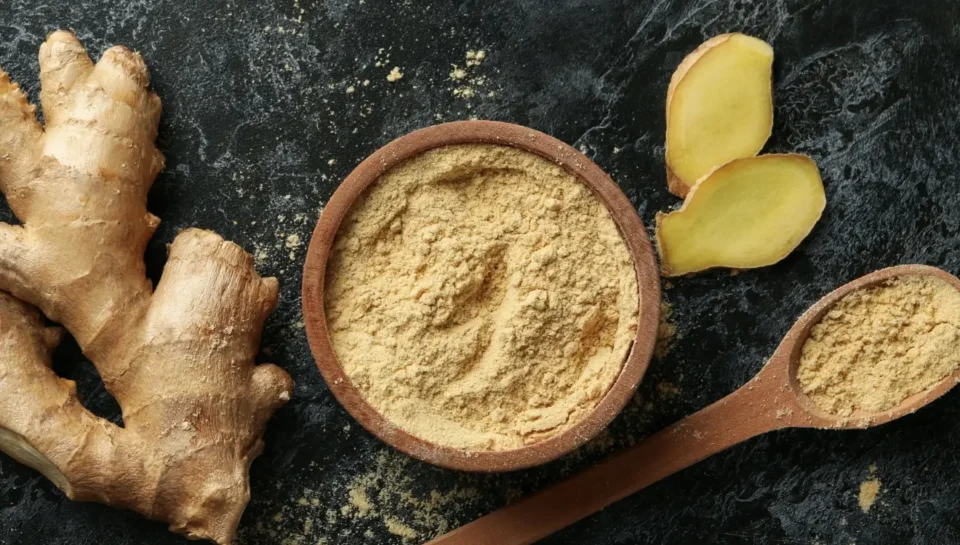
Ginger powder is made by drying fresh rhizomes of Zingiber officinale and grinding them into a fine powder. While fresh ginger is widely used in cooking, powdered ginger is more concentrated and has a longer shelf life.
The key bioactive compounds in ginger include:
Gingerols
Shogaols
Zingerone
Essential oils
These compounds are responsible for ginger’s anti-inflammatory, antioxidant, and digestive-supporting properties.
How Ginger Powder Supports Gut Health
Let’s break down the science-backed ways ginger powder benefits digestion.
1. Stimulates Digestive Enzymes
Ginger has been shown to stimulate saliva, bile, and gastric enzyme production. This helps:
Break down food more efficiently
Reduce heaviness after meals
Improve nutrient absorption
When digestion improves at the enzymatic level, symptoms like bloating and indigestion often reduce naturally.
2. Enhances Gastric Emptying
One common cause of bloating is delayed gastric emptying—when food sits too long in the stomach.
Studies suggest ginger can accelerate gastric emptying, meaning food moves more efficiently into the small intestine. This may help reduce:
Post-meal discomfort
Acid reflux tendencies
Fullness and nausea
This makes Ginger Powder for Gut Health particularly helpful after heavy or oily meals.
3. Reduces Bloating and Gas
Gas formation happens during fermentation in the gut. Ginger’s carminative properties (gas-relieving effects) help relax intestinal muscles and allow trapped gas to pass more easily.
Many people find that ginger powder:
Reduces abdominal pressure
Minimizes swelling
Eases cramping
It works gently, unlike harsh over-the-counter solutions.
4. Supports Gut Motility
Healthy gut motility ensures smooth bowel movements. Ginger supports peristalsis—the wave-like muscle contractions that move food along the digestive tract.
This can be beneficial for:
Occasional constipation
Sluggish digestion
Irregular bowel patterns
Consistent use of Ginger Powder for Gut Health may help regulate digestive rhythm naturally.
5. Anti-Inflammatory Benefits
Chronic inflammation in the digestive tract can contribute to discomfort and long-term issues.
Ginger’s anti-inflammatory compounds help:
Calm irritation in the gut lining
Reduce oxidative stress
Support overall intestinal health
While ginger is not a replacement for medical treatment, it can complement a gut-friendly lifestyle.
6. Helps with Nausea and Digestive Discomfort
Ginger is well known for its anti-nausea properties. It has been studied for:
Motion sickness
Pregnancy-related nausea
Chemotherapy-related nausea
The mechanism involves interaction with serotonin receptors in the gut and brain.
Even mild digestive upset can be soothed with ginger powder in warm water.
The Gut-Brain Connection and Ginger
Your gut and brain communicate constantly through the gut-brain axis.
Digestive discomfort often worsens during stress. Ginger may indirectly support this connection by:
Reducing inflammation
Improving motility
Easing cramping
When your digestion feels smoother, stress-related gut symptoms may also decrease.
Traditional Uses of Ginger in Digestive Health
Across cultures, ginger has been used for centuries.
In Ayurveda
Ginger is considered a powerful digestive stimulant that supports “Agni” (digestive fire).
In Traditional Chinese Medicine
It is used to warm the stomach and support digestive flow.
In Middle Eastern and African traditions
Ginger tea is commonly consumed after meals to prevent bloating.
The consistency of its use across systems suggests long-standing observational trust in Ginger Powder for Gut Health.
How to Use Ginger Powder for Gut Health
Now let’s get practical.
1. Ginger Tea
Recipe:
½ teaspoon ginger powder
1 cup warm water
Optional: lemon and honey
Drink after meals for digestive support.
2. Morning Digestive Tonic
Warm water
¼ teaspoon ginger powder
Pinch of turmeric
Squeeze of lemon
This can gently stimulate digestion before breakfast.
3. In Smoothies
Add a small pinch to fruit or vegetable smoothies for:
Improved digestion
Better nutrient absorption
Subtle warming effect
4. In Cooking
Ginger powder works well in:
Soups
Lentils
Stir-fries
Herbal spice blends
Cooking with ginger regularly supports long-term digestive balance.
Recommended Dosage
For general digestive support:
½ to 1 teaspoon per day is typically sufficient.
Start small and monitor your body’s response.
Excessive intake may cause:
Heartburn
Mild irritation
Warm sensation in sensitive individuals
Moderation is key.
Who Should Be Cautious?
While ginger is generally safe, certain individuals should consult a healthcare professional before using Ginger Powder for Gut Health regularly:
People with gallstones
Those on blood thinners
Individuals with severe acid reflux
Pregnant women (for dosage guidance)
Natural does not always mean universally suitable.
Fresh Ginger vs. Ginger Powder: Which Is Better?
Both have benefits.
Fresh Ginger:
Higher water content
Milder flavor
Good for immediate use
Ginger Powder:
More concentrated
Longer shelf life
Convenient for daily use
For consistent digestive support, ginger powder often fits more easily into daily routines.
Scientific Evidence Behind Ginger and Digestion
Modern research continues to explore ginger’s effects on:
Gastric motility
Inflammatory markers
Gut microbiome interactions
While more large-scale human trials are needed, existing studies show promising digestive benefits.
The combination of traditional use and emerging research strengthens the credibility of Ginger Powder for Gut Health.
Supporting Gut Health Beyond Ginger
Ginger works best as part of a broader digestive strategy:
Eat fiber-rich foods
Stay hydrated
Limit ultra-processed foods
Manage stress
Maintain regular meal timing
Think of ginger as a supportive ally—not a standalone solution.
Signs Your Gut May Benefit from Ginger Powder
You may consider trying Ginger Powder for Gut Health if you experience:
Frequent bloating
Slow digestion
Occasional constipation
Mild nausea
Post-meal heaviness
Small, consistent habits often make the biggest difference.
Choosing High-Quality Ginger Powder
Quality matters.
Look for:
Pure, single-ingredient ginger
No artificial additives
No added colors or fillers
Proper drying and processing methods
Low-quality products may lose potency and digestive benefits.
Storage Tips
To maintain freshness:
Store in an airtight container
Keep away from moisture
Avoid direct sunlight
Use within recommended shelf life
Proper storage preserves active compounds.
Can Ginger Powder Improve Gut Microbiome?
Emerging research suggests ginger’s polyphenols may influence gut bacteria composition.
While this area is still developing, the anti-inflammatory and antioxidant properties may create a more favorable gut environment.
More clinical studies are needed—but early findings are promising.
Is Ginger Powder Safe for Long-Term Use?
For most healthy adults, moderate daily intake is considered safe.
However:
Avoid very high doses
Listen to your body
Take breaks if needed
If digestive discomfort persists, medical evaluation is important.
Common Myths About Ginger and Digestion
Myth 1: Ginger cures all digestive disorders.
Reality: It supports digestion but does not replace medical treatment.
Myth 2: More ginger equals faster results.
Reality: Excess can irritate the stomach.
Myth 3: Ginger works instantly for everyone.
Reality: Effects vary depending on individual gut health.
Skepticism and moderation lead to better outcomes.
A Simple 7-Day Starter Plan
If you’re new to using Ginger Powder for Gut Health, try this approach:
Day 1–2: ¼ tsp in warm water after dinner
Day 3–4: ½ tsp after lunch
Day 5–7: Add to one cooked meal daily
Observe:
Bloating levels
Energy after meals
Bowel movement consistency
Gentle adjustments are more sustainable than sudden changes.
Final Thoughts: A Natural Step Toward Better Digestion
Digestive wellness is not built overnight. It’s shaped by daily habits, food quality, stress levels, and overall lifestyle.
Ginger has earned its place in traditional and modern wellness discussions because it consistently demonstrates digestive-supporting properties. From improving enzyme activity to easing bloating and supporting gut motility, Ginger Powder for Gut Health offers a natural and accessible way to care for your digestive system.
As with any wellness practice, quality matters. Choosing pure, carefully processed ginger ensures you’re getting the active compounds your gut needs. If you’re looking for a thoughtfully sourced option, you can explore naturally processed products at Pira Food, where ingredient integrity is a priority.
Small daily habits, like adding ginger powder to warm water or meals, can gradually contribute to smoother digestion and improved gut comfort.
Listen to your body, stay consistent, and give your gut the natural support it deserves.